
A Scale for Two Baskets
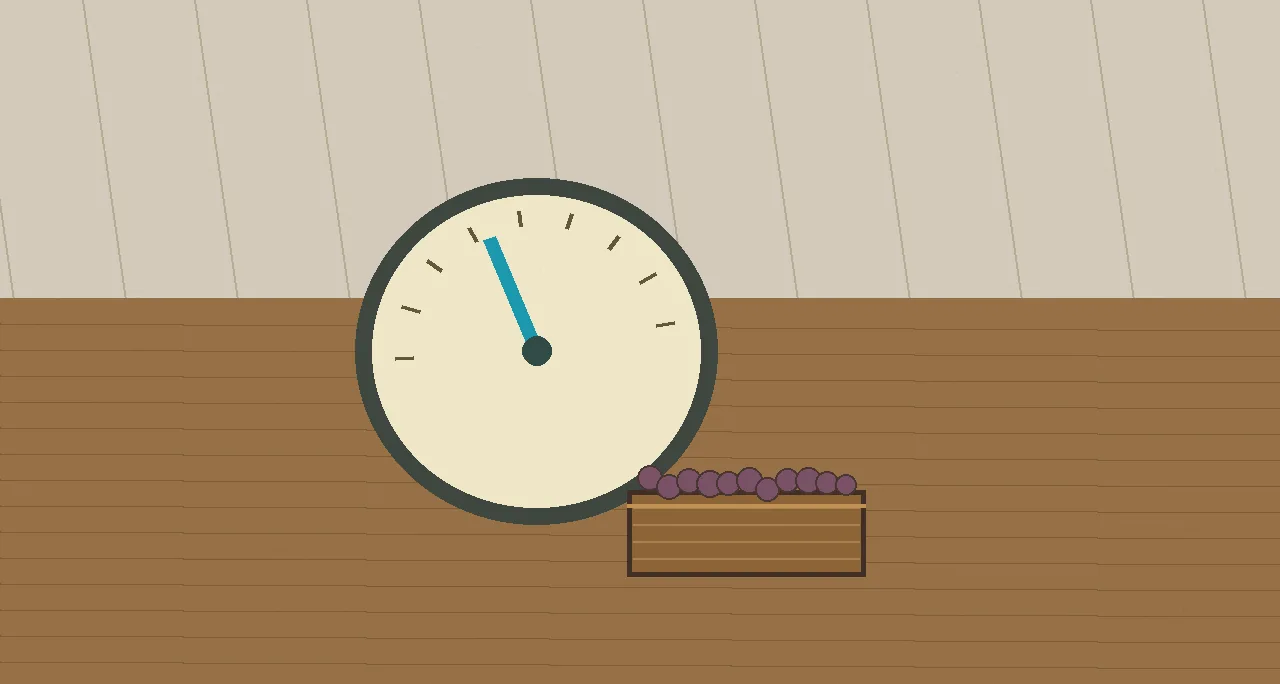
The first buyer has room for a few plums. They have seen a price on the slate from the open space in the lane and brought a small basket to the stand. A neighbor will come by later to look at the same crates. At the beginning of the turn, the stallholder can see the available fruit, the weight shown on the scale and the earlier price. The buyers can see only the part of the scale and slate that faces the lane. A Scale for Two Baskets asks you to make a clear offer within those different views.
Set the basket on an empty scale
At the start of play, choose a crate and look at the fruit above its rim. Some pieces come from the fresh layer. Others are set aside for a differently marked bundle later in the morning. The scale has a short reading beside its pointer. Return it to the empty position before you add fruit. The fictional units allow the player to compare several choices quickly. A caption beside the pointer repeats the current amount.
Choose one handful, view the weight and see how it relates to the customer’s request. If the amount goes over the mark, you can remove a piece or show the new amount and ask what the buyer wants. The offer keeps the information they saw when they arrived. If you change the amount, the price implied by the original slate is shown beside the new total. The player can check whether the sale is understandable before moving to the next turn.
Read what remains after the first sale
The second customer arrives with a different basket. You may have more room on the scale than you did in the first turn, but the amount in the crate will be different. A little fold opens on the sale record with what the first shopper bought and where the remaining fruit was left. You can compare the two baskets before picking again. The prototype leaves the same reading available when you move the stallholder’s view from the scale back to the sign.
Nothing requires you to clear every good crate during this turn. If the next offer would make a shopper pay for fruit they did not choose, you can suggest a smaller basket and keep the rest readable for a later shopper. The playtest asks a reader if they know which offer was visible before the first choice, which way the reading moved and why the second basket has a different amount. A useful result can answer those questions from the drawings and the sale record.
Give the pointer somewhere quiet to stand
The drawings use a dark metal pointer, a wide clear arc and short written labels. Behind the scale, green cloth covers part of the display. On a narrow screen the reading can sit below the pointer without losing its connection to the basket. The crates retain a painted corner so you can identify the one you picked when the neighbor arrives. The plum color helps locate a piece. The rim, label and pointer carry the same choices for readers who need more than color.
In the companion prototype The Late Price Board, the visible offer can change while a buyer is still in the lane. Use the market stalls to compare what stays visible in both games.